
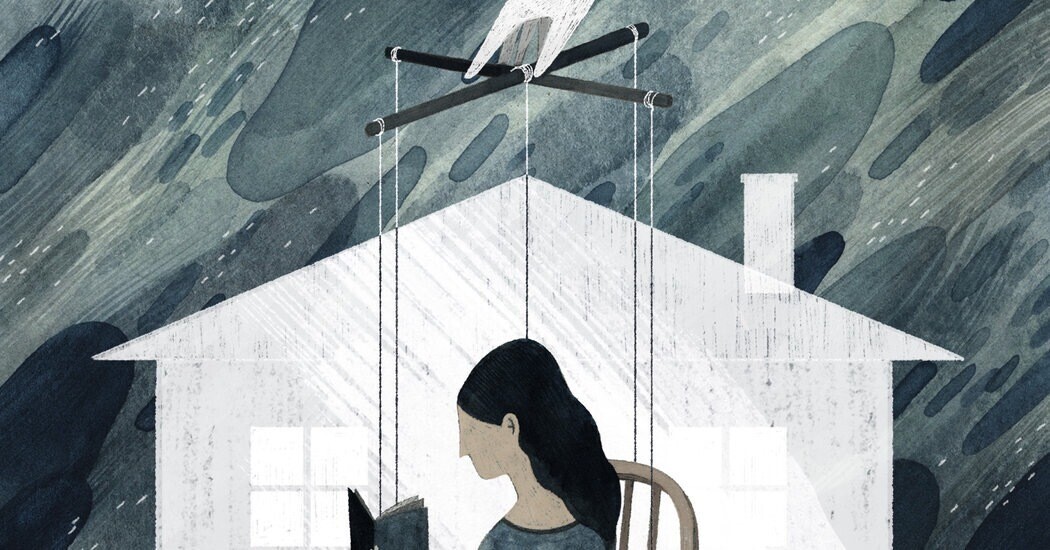
Many people don’t recognize abuse until long after the damage has been done — because not all abuse leaves a visible mark. Relationships marked by narcissistic abuse, coercive control, and antagonistic dynamics cause serious, documented harm to mental, physical, spiritual, and personal identity. This is not opinion. This is science.
Understanding the Three Patterns
What is Coercive Control?
Coercive control is a pattern of repeated acts of humiliation, intimidation, isolation, manipulation, and financial or sexual coercion that strips a person of their autonomy — trapping them in the relationship. It is now recognized as a form of intimate partner violence under Canadian federal law. Tactics include monitoring movements, controlling finances, enforcing rules and punishments, and using children or pets as leverage.
What is Narcissistic Abuse?
Narcissistic abuse refers to a pattern of emotional and psychological manipulation carried out by an individual with narcissistic traits or Narcissistic Personality Disorder (NPD). Tactics include love bombing (excessive flattery used to gain control), gaslighting (causing the victim to question their own memory and reality), blame-shifting, triangulation (using third parties to create jealousy or insecurity), and devaluation and discard cycles. The abuse is often invisible to outsiders, making it particularly isolating for the survivor.
What is Antagonistic Abuse?
Antagonistic abuse occurs in relationships defined by persistent hostility, opposition, and conflict — where one party consistently undermines, belittles, or opposes the other. Unlike narcissistic abuse, it may not always stem from a diagnosable personality disorder, but the relational pattern is equally harmful. Research published in Frontiers in Psychology (2021) found that people in antagonistic relationships reported significantly higher levels of depression, anxiety, and stress compared to those in supportive relationships. (PMC8440926)
What Does the Research Say?
A 2024 systematic review and meta-analysis published in Trauma, Violence & Abuse (Lohmann et al.) found that exposure to coercive control is moderately associated with both PTSD (r = .32) and depression (r = .27) — outcomes comparable to those of physical abuse. A Danish review of ten peer-reviewed studies found that 7 out of 10 showed a significant association between coercive control and symptoms of depression, anxiety, PTSD, and suicidal ideation.
Conditions Documented in Peer-Reviewed Research
Psychological & Mental Health
- Post-Traumatic Stress Disorder (PTSD)
- Complex PTSD (C-PTSD)
- Major Depressive Disorder
- Generalized Anxiety Disorder & Panic Attacks
- Hypervigilance & chronic fear responses
- Suicidal ideation
- Erosion of self-worth, self-doubt, and identity disturbance
- Learned helplessness & inability to trust one’s own decisions
- Phobias and paranoid ideation
Physical Health
- Compromised immune system function
- Chronic fatigue and sleep disturbances
- Increased vulnerability to infectious diseases
- Chronic pain, headaches, and gastrointestinal conditions
- Impaired cognitive function and difficulty concentrating
Functional, Relational & Social Impact
- Impaired work performance and productivity
- Social isolation and severed support networks
- Financial dependency and loss of economic independence
- Difficulty parenting and maintaining healthy family relationships
Spiritual, Values & Identity Impact
Abuse that is prolonged and deeply personal does not stop at the mind and body — it reaches into the core of who a person believes they are. Survivors of narcissistic abuse, coercive control, and antagonistic relationships frequently report:
- Loss of personal identity — no longer knowing who you are outside of the relationship or abuser’s narrative
- Moral injury — a deep sense of having been forced to act against your own values, or of having your values weaponized against you
- Spiritual disconnection — feeling cut off from a sense of meaning, purpose, or faith that once grounded you
- Shame and unworthiness — internalized messages that you are fundamentally “bad,” “broken,” or “not enough”
- Distorted worldview — losing the ability to trust that the world is safe, fair, or that goodness exists
- Grief over lost self — mourning the person you were before the abuse, and the life you envisioned
- Disconnection from personal values — years of manipulation can cause survivors to lose sight of what they once believed, stood for, or cared about deeply
Healing from this dimension requires more than symptom management — it requires reconnecting with one’s own truth, values, and sense of self. If any of this resonates with you, your experience is valid. Your suffering is real. And help exists. Research makes clear that trauma-informed care is the most effective and appropriate response for survivors of these relationship patterns.
At Heartberry Counselling, we offer a safe, compassionate space to begin that journey.
226-455-4765
heartberrycounselling@gmail.com
heartberrycounselling.com
This post is for educational purposes only and does not constitute medical, psychological, or legal advice.
All claims are drawn from peer-reviewed research and government sources.
Lohmann, S., Cowlishaw, S., Ney, L., O’Donnell, M., & Felmingham, K. (2024). The trauma and mental health impacts of coercive control: A systematic review and meta-analysis. Trauma, Violence, & Abuse, 25(1). https://journals.sagepub.com/doi/10.1177/15248380231162972
Mulder, T. L., Hald, G. M., Knudsen, A. K., & Elklit, A. (2023). Coercive control and the effect on mental health of female victims: A systematic review. Region H Research. https://research.regionh.dk/en/publications/coercive-control-and-the-effect-on-mental-health-of-female-victim/
Pietromonaco, P. R., & Overall, N. C. (2021). Mental health in affectionate, antagonistic, and ambivalent relationships during the COVID-19 pandemic: A latent profile analysis. Frontiers in Psychology, 12, Article 631615. https://pmc.ncbi.nlm.nih.gov/articles/PMC8440926/
Research and Statistics Division, Department of Justice Canada. (2023). Coercive control as a form of family violence. Government of Canada. https://www.justice.gc.ca/eng/rp-pr/jr/rib-reb/mpafvc-capcvf/pdf/RSD_2023_MakingAppropriatebrochure-eng.pdf

Kim L McCullough
Contact Me